


Свяжитесь с нами
-
Телефон:
1388xx888xx
-
Мобильные телефоны:
1388xx888xx
-
Почтовый ящик:
1388xx888xx@gmail.com
-
Адрес:
Xiaohua Mountain Industrial Zone, Shengli Village, Duqiao Town (west Of Linhai Shengxia Glasses Co., Ltd.), Taizhou, Zhejiang, China
Текущее местоположение: Главная страница> Информационный центр> Забудьте о дорогих очках пластик будущее солнцезащиты
Забудьте о дорогих очках пластик будущее солнцезащиты
Добавить время:2025-12-08
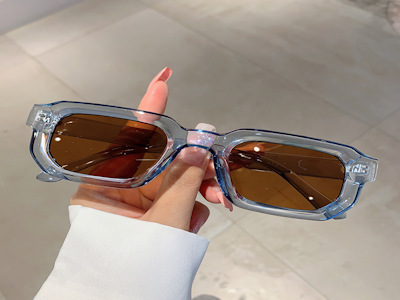
В мире, где технологии стремительно развиваются, а потребители все более осознанно подходят к выбору товаров, солнцезащитные очки долгое время оставались символом роскоши и статуса. Но времена меняются. Дорогие брендовые очки из металла и стекла уступают место инновационным пластиковым альтернативам, которые не только эффективнее защищают от ультрафиолета, но и предлагают непревзойденный комфорт, стиль и доступность. В этой статье мы погрузимся в мир солнцезащиты, раскроем преимущества пластика как материала будущего и объясним, почему вам стоит забыть о дорогих очках раз и навсегда. Мы рассмотрим научные основы, инновационные технологии, экологические аспекты и практические советы по выбору – все, что нужно для принятия обоснованного решения.
Глава 1: История солнцезащитных очков – от древности до наших дней
Солнцезащитные очки имеют богатую историю, уходящую корнями в древние цивилизации. Еще в Древнем Китае и Риме люди использовали примитивные затемненные линзы из дымчатого кварца или изумруда для защиты глаз от яркого света. Однако настоящий прорыв произошел в XX веке, когда очки стали массовым продуктом. В 1929 году Sam Foster начал продавать очки на пляжах Атлантик-Сити, а в 1936 году Edwin Land изобрел поляризационные линзы, что значительно улучшило защиту от бликов. Долгое время доминировали материалы like glass and metal, associated with luxury brands such as Ray-Ban and Oakley. But these traditional options often came with high costs, fragility, and limited functionality. With the advent of plastics in the mid-20th century, a new era began. Initially used for cheap sunglasses, plastic evolved into a high-performance material thanks to advances in polymer science. Today, we stand on the brink of a revolution where plastic not only matches but surpasses traditional materials in every aspect – from UV protection to durability and design flexibility. This historical context shows why the shift to plastic is not just a trend but a logical progression in the evolution of eyewear.
Глава 2: Наука за защитой от ультрафиолета – почему это так важно
Защита глаз от ультрафиолетового (UV) излучения – это не просто вопрос комфорта, а crucial aspect of health. UV radiation from the sun is divided into UVA and UVB rays, both of which can cause serious damage to the eyes, including cataracts, macular degeneration, and even skin cancer around the eyelids. According to the World Health Organization, up to 20% of cataracts worldwide are caused by UV exposure. Traditional glass lenses offered good protection but were heavy and prone to breaking. Plastic lenses, made from materials like polycarbonate or CR-39, provide superior UV protection by inherently blocking 100% of UVA and UVB rays without additional coatings. Moreover, plastic can be engineered with advanced features such as polarization, which reduces glare, and photochromic properties that adjust to light conditions. Scientific studies, such as those published in the Journal of the American Optometric Association, confirm that high-quality plastic lenses outperform glass in terms of impact resistance and optical clarity. This makes plastic not only a safer choice but also a smarter one for long-term eye health. By choosing plastic sunglasses, you invest in prevention rather than cure, ensuring that your vision remains sharp and healthy for years to come.
Глава 3: Преимущества пластика – почему он лучше традиционных материалов
Plastic has numerous advantages over traditional materials like glass and metal. First and foremost, it is incredibly lightweight, reducing pressure on the nose and ears, which makes it ideal for extended wear. A pair of plastic sunglasses can weigh up to 50% less than glass counterparts, enhancing comfort during activities like sports or travel. Second, plastic is highly durable and impact-resistant. Polycarbonate lenses, for example, are virtually unbreakable and are often used in safety glasses, making them perfect for active lifestyles. They don't shatter like glass, which minimizes the risk of injury. Third, plastic offers unmatched versatility in design. It can be molded into various shapes, colors, and styles, allowing for endless customization. From wraparound designs for maximum coverage to fashionable aviators, plastic enables innovations that were impossible with rigid materials. Additionally, plastic lenses are less prone to fogging and can be treated with anti-scratch and anti-reflective coatings easily. Cost-effectiveness is another huge benefit; high-quality plastic sunglasses are often available at a fraction of the price of luxury brands, without compromising on performance. For instance, brands like Warby Parker and Zenni Optical have democratized access to stylish, protective eyewear. Finally, plastic is more environmentally friendly in terms of production efficiency – it requires less energy to manufacture than glass or metal, and advancements in recycling are making it a greener choice. Overall, plastic represents the pinnacle of modern eyewear technology, combining safety, comfort, style, and affordability in one package.
Глава 4: Инновационные технологии в пластиковых солнцезащитных очках
The future of sunglasses lies in cutting-edge technologies integrated into plastic frameworks. One of the most exciting developments is smart sunglasses with embedded electronics. Companies like Bose have experimented with audio-enabled glasses, while others are incorporating augmented reality (AR) displays for navigation or fitness tracking. Plastic's malleability makes it ideal for housing such technologies without adding bulk. Another innovation is adaptive lenses that change tint based on UV intensity, using photochromic compounds that are more effective in plastic than glass. For example, Transitions lenses are now predominantly made from plastic for better performance. Additionally, nanotechnology is being applied to create self-cleaning and hydrophobic coatings that repel water and dirt, keeping lenses clear in all conditions. 3D printing is revolutionizing customization – consumers can design their own sunglasses online and have them printed in hours using durable plastics. Sustainability is also a key focus; bio-based plastics derived from plants are emerging, reducing reliance on petroleum. Brands like Adidas are leading the way with ocean plastic sunglasses, made from recycled materials. These innovations not only enhance functionality but also align with the growing demand for eco-conscious products. By embracing plastic, the industry is pushing boundaries and creating sunglasses that are not just protective but intelligent and sustainable.
Глава 5: Экологический аспект – пластик как устойчивое решение
While plastic often gets a bad rap for environmental issues, in the context of sunglasses, it can be a sustainable choice when managed properly. Traditional glass production is energy-intensive and generates more carbon emissions, whereas modern plastic manufacturing has become more efficient. Many companies are now using recycled plastics, such as PET from bottles, to create sunglasses, thus reducing waste. For instance, brands like Norton Point and Sea2See produce eyewear entirely from ocean plastic, helping clean up marine environments. Moreover, plastic sunglasses are longer-lasting due to their durability, meaning fewer replacements and less overall waste. Advances in biodegradable plastics are also on the horizon; materials like PLA (polylactic acid) derived from corn starch are being tested for eyewear applications. Consumers can contribute by choosing brands with take-back programs or recycling initiatives. It's important to note that not all plastics are equal – opting for high-quality, recyclable plastics minimizes environmental impact. By supporting innovative companies, we can turn plastic from a pollutant into a solution for sustainable living. This shift not only protects our eyes but also the planet, making plastic sunglasses a responsible choice for the future.
Глава 6: Как выбрать идеальные пластиковые солнцезащитные очки – практическое руководство
Selecting the perfect pair of plastic sunglasses involves considering several factors to ensure optimal protection and style. First, check for UV protection labels – look for "100% UV protection" or "UV400" to guarantee full blockage of harmful rays. Second, consider the lens material: polycarbonate is best for impact resistance, while CR-39 offers excellent optical clarity. Polarized lenses are ideal for reducing glare, especially for driving or water sports. For frame design, choose a shape that complements your face – round faces suit angular frames, while square faces benefit from rounded styles. Lightweight frames with adjustable nose pads enhance comfort. Color and tint matter too; gray lenses provide true color perception, brown enhances contrast, and mirrored coatings add extra UV protection. Don't forget fit – ensure the glasses sit snugly without slipping, and the lenses cover your eyes completely to prevent peripheral light entry. Budget-wise, plastic sunglasses range from affordable options under $50 to high-end designs around $200, but price doesn't always correlate with quality; read reviews and opt for reputable brands. Finally, maintain your sunglasses by cleaning them with a microfiber cloth and storing them in a case to prolong lifespan. By following these tips, you can find plastic sunglasses that offer superior protection, comfort, and style without breaking the bank.
Глава 7: Будущее тенденции – что ждет солнцезащитные очки в ближайшие годы
The future of sunglasses is bright and plastic-centric, driven by technology and sustainability. We can expect to see more integration with wearable tech, such as glasses that monitor health metrics like heart rate or sun exposure levels. Augmented reality will become commonplace, with overlays for information or entertainment directly on the lenses. Personalized eyewear will boom through AI-driven design tools that create custom fits based on facial scans. Environmentally, the trend will shift towards circular economy models, where sunglasses are made from recycled materials and are fully recyclable at end-of-life. Innovations in materials science will lead to even lighter and stronger plastics, possibly incorporating graphene or other nanomaterials for enhanced properties. Fashion-wise, sustainability will influence styles, with minimalist and modular designs that allow parts replacement instead of discarding entire pairs. The rise of direct-to-consumer brands will continue, making high-quality plastic sunglasses more accessible globally. Ultimately, the distinction between luxury and practicality will blur, as plastic enables everyone to enjoy top-tier protection and style. By embracing these trends, consumers can stay ahead of the curve and contribute to a healthier, more sustainable world.
Заключение: Пришло время действовать – перейдите на пластиковые солнцезащитные очки сегодня
В заключение, пластиковые солнцезащитные очки represent the future of eye protection, offering unparalleled advantages over traditional materials. They are lighter, more durable, safer, and more affordable, all while supporting technological innovation and environmental sustainability. By forgetting about expensive glasses and opting for plastic, you not only protect your eyes from harmful UV rays but also embrace a modern, conscious lifestyle. The evidence is clear: from scientific studies to real-world applications, plastic has proven itself as the superior choice. Whether you're an athlete, a fashion enthusiast, or simply someone who values health, there's a perfect pair of plastic sunglasses waiting for you. Take the step today – explore the options, choose a style that suits you, and experience the difference. Your eyes will thank you, and you'll be part of a movement towards a brighter, safer future. Remember, protection doesn't have to come at a high cost; with plastic, it's accessible to all.
For more information, consult resources like the American Academy of Ophthalmology or visit reputable retailers to find the best plastic sunglasses for your needs. Stay protected, stay stylish, and welcome to the future of sun protection!
 1388xx888xx